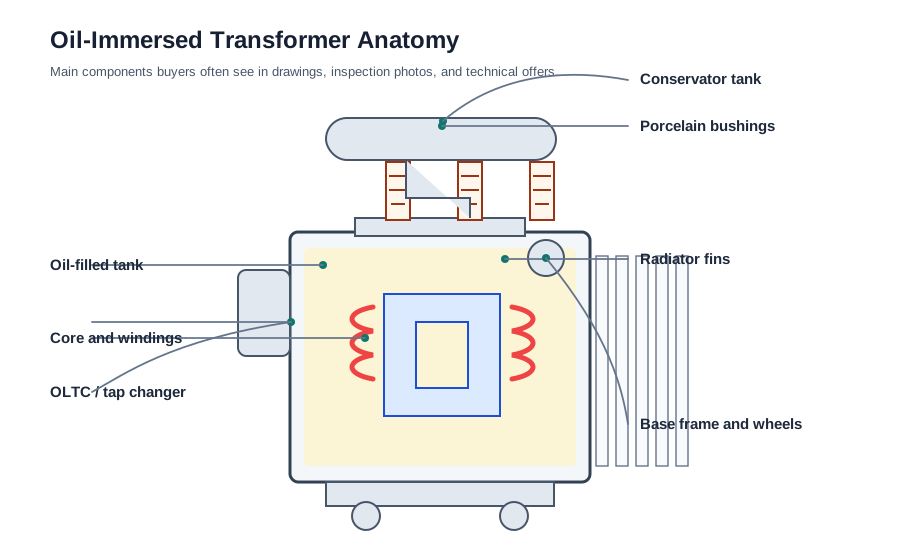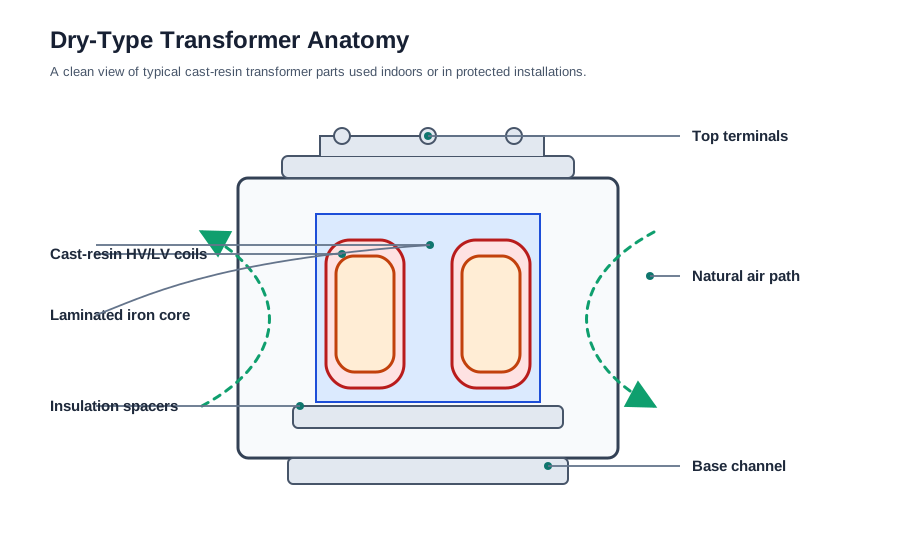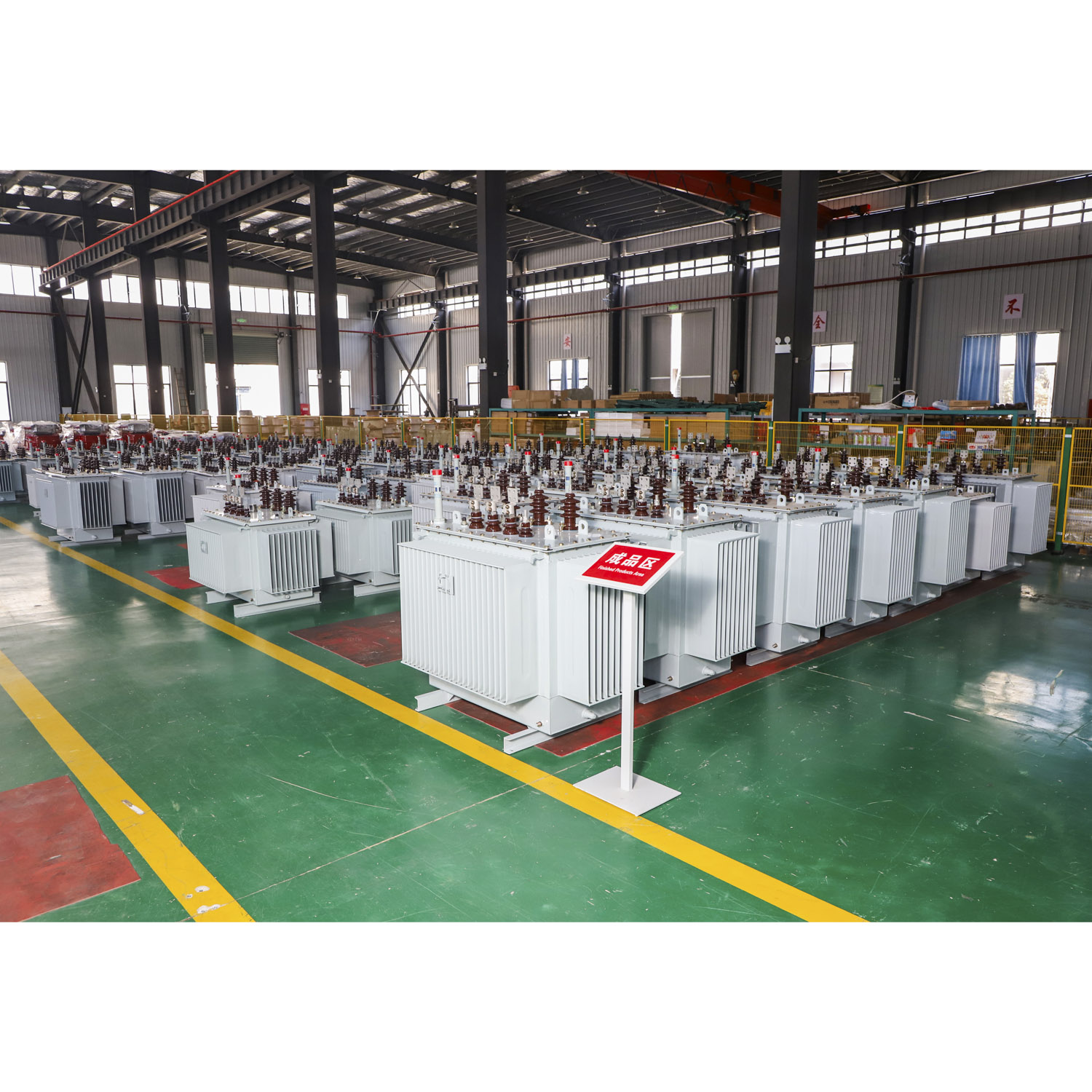
XinHuan transformer factory floor with finished transformer products

Transformer Academy

Transformer Basics for Buyers and New Sales Teams

A practical starting point for new XinHuan staff, EPC buyers, distributors, and procurement teams: what transformers do, how to read the main ratings, when to choose oil or dry-type, and what to send in an RFQ.

1. What a Transformer Does

A transformer changes AC voltage from one level to another. It can step voltage up for transmission or step voltage down for factories, buildings, mining sites, substations, and distribution networks. It does not change AC into DC, and it does not change 50 Hz into 60 Hz.
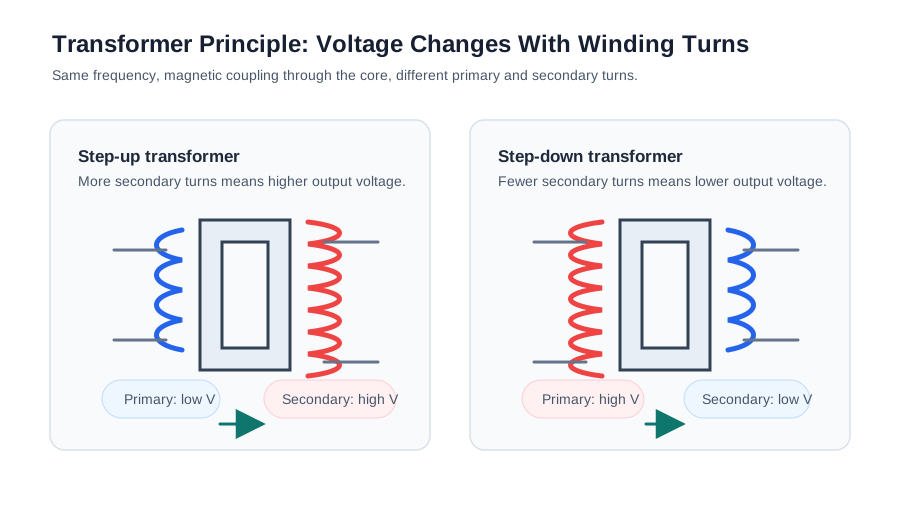
Step-up and step-down transformer principle — generator to transmission to factory load

2. kV, kVA, MVA, Hz, and Phase

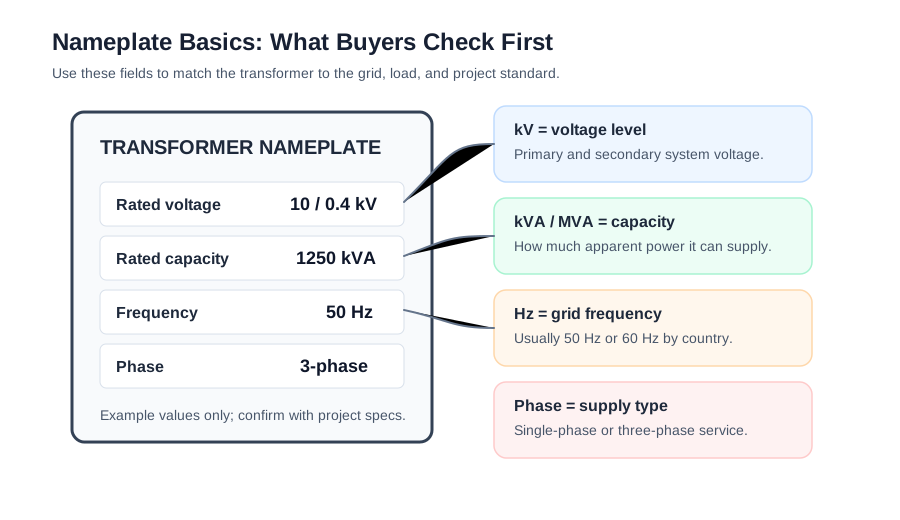
These are the first ratings a buyer should understand. kV describes voltage level. kVA or MVA describes transformer capacity. Hz and phase must match the grid or site power system.

kV

Voltage level

Example: 11kV/0.4kV. The transformer connects one voltage class to another.

kVA / MVA

Apparent power

Capacity rating. 1000 kVA = 1 MVA. Use load data before choosing a size.

Hz

Frequency

Usually 50 Hz or 60 Hz. The transformer must match the project grid.

Phase

1-phase / 3-phase

Most utility, EPC, and industrial transformers are three-phase.

Transformer nameplate showing kV, kVA, MVA, Hz and phase ratings

Need a first sizing estimate? Use the transformer kVA calculator.

4. Distribution vs Power Transformer

Distribution Transformer

Usually lower voltage and smaller capacity, often 11kV or 33kV down to 400V/415V for factories, buildings, and local grids.

Power Transformer

Used at higher voltage and larger MVA ratings in substations, generation, transmission, and heavy industrial systems.

6. Cooling: ONAN, ONAF, AN, and AF

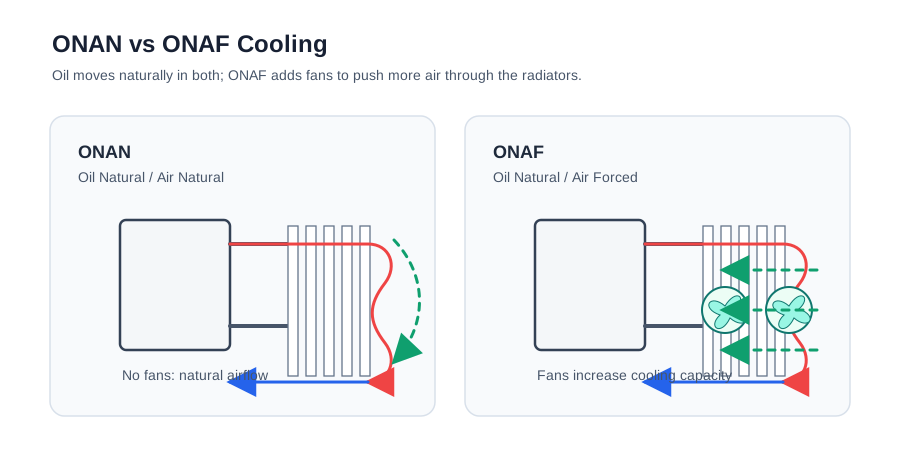
Cooling code tells you how heat leaves the transformer. ONAN uses natural oil circulation and natural air. ONAF adds fans to move more air across radiators. Dry-type units commonly use AN or AF.

ONAN vs ONAF transformer cooling — natural oil/air versus forced air fans

Deep dive: ONAN vs ONAF transformer cooling.

7. Losses and Efficiency

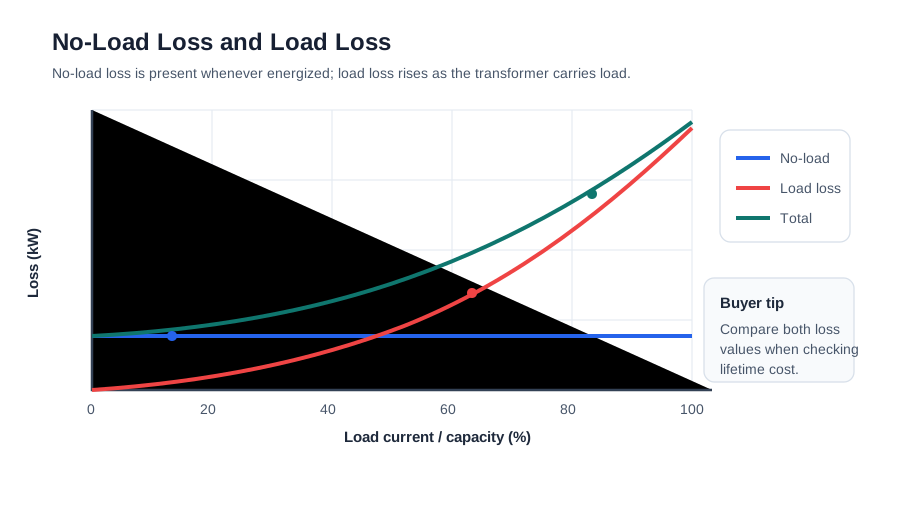
Transformer losses have two main parts. No-load loss happens whenever the transformer is energized. Load loss rises roughly with the square of the load. This is why a cheaper unit can become more expensive over years of operation.

Transformer loss curve — no-load loss baseline plus rising load loss

Compare options with the transformer loss calculator.

8. Tests, FAT, and Routine Test Reports

Routine tests are factory tests that verify the transformer before shipment: winding resistance, voltage ratio, vector group, impedance, load loss, no-load loss, insulation resistance, applied voltage, induced voltage, and oil tests when applicable. FAT means the buyer or third-party inspector witnesses agreed tests at the factory.

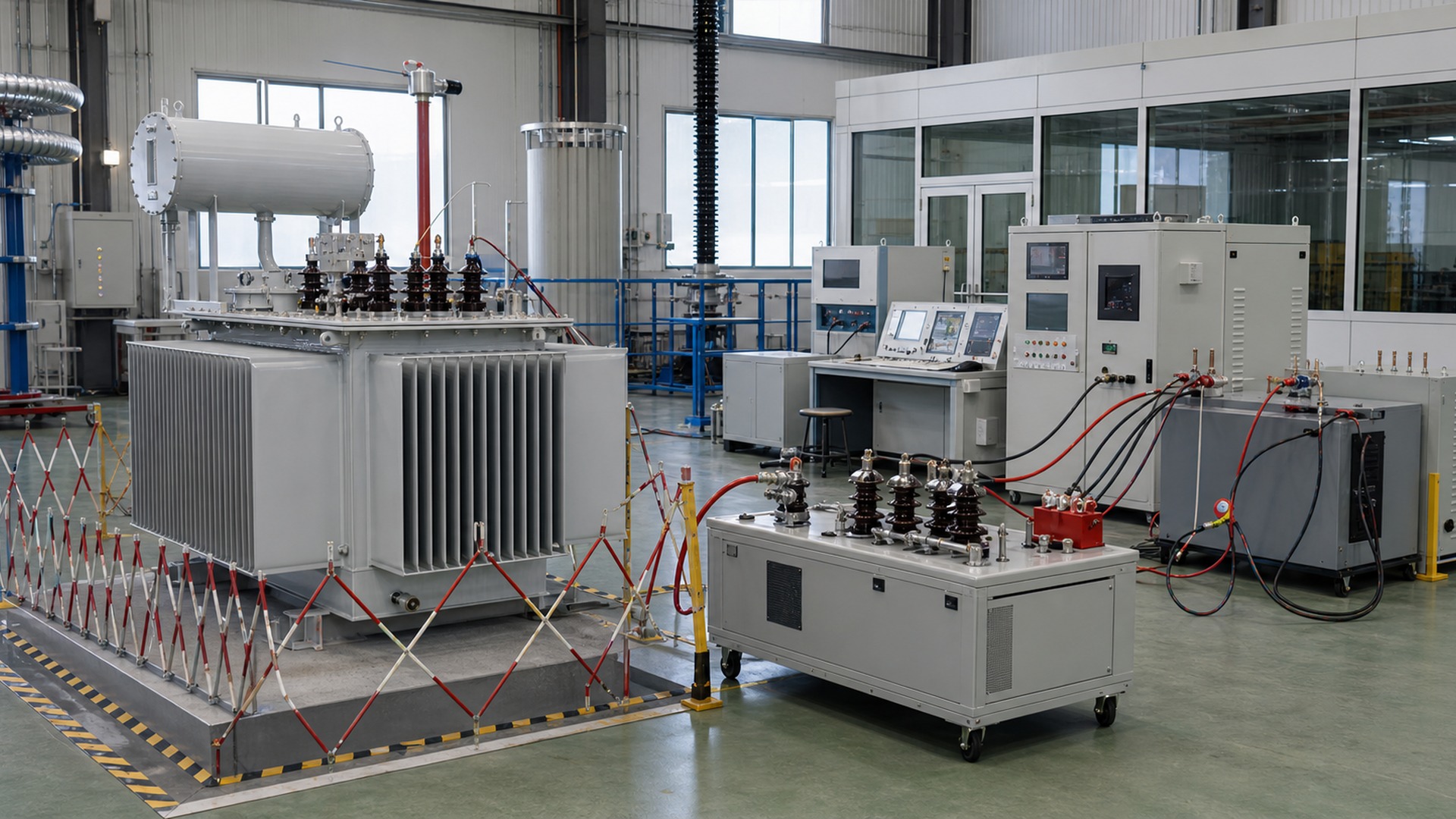
XinHuan testing area
Testing area
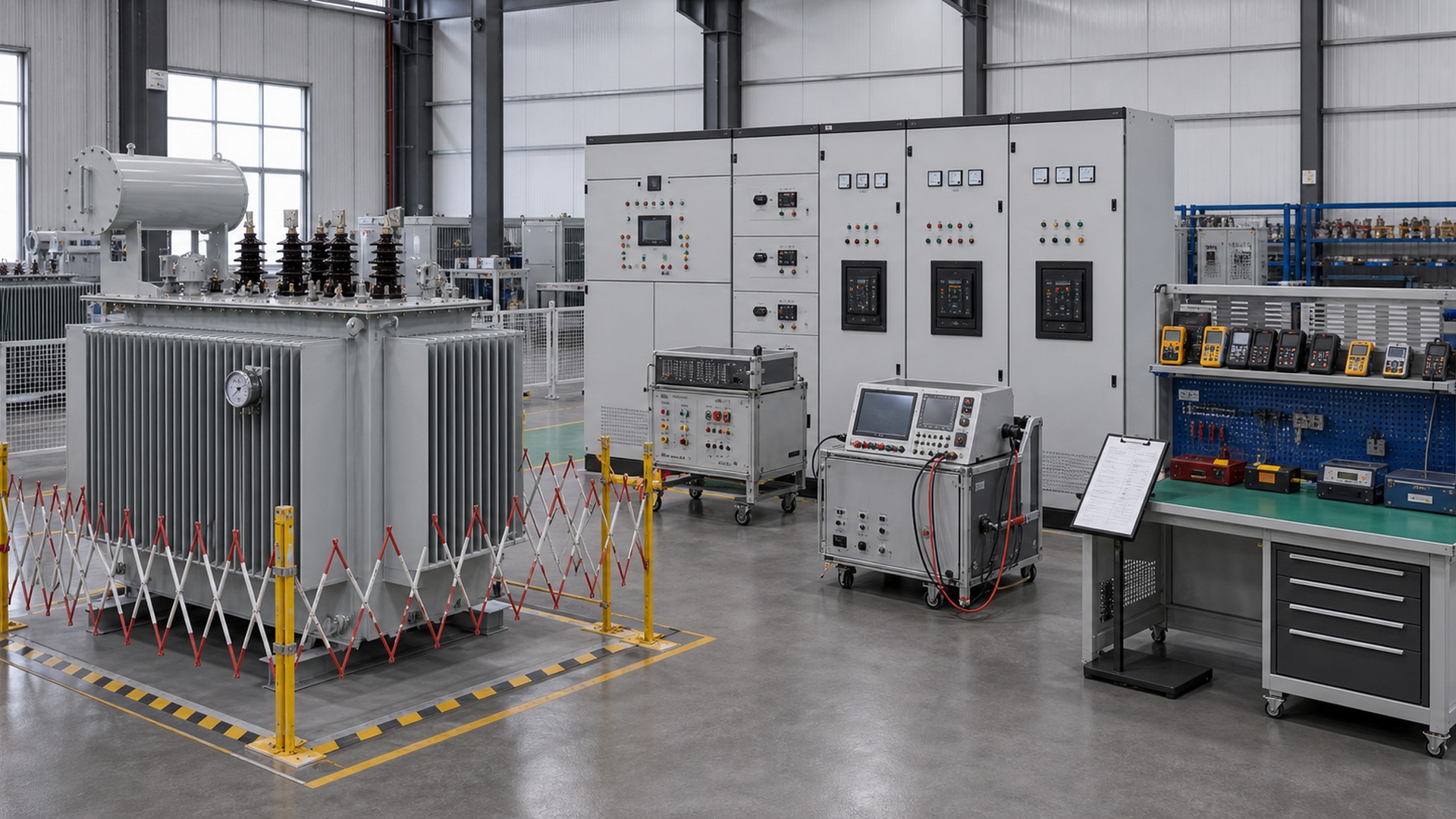
XinHuan inspection
Inspection
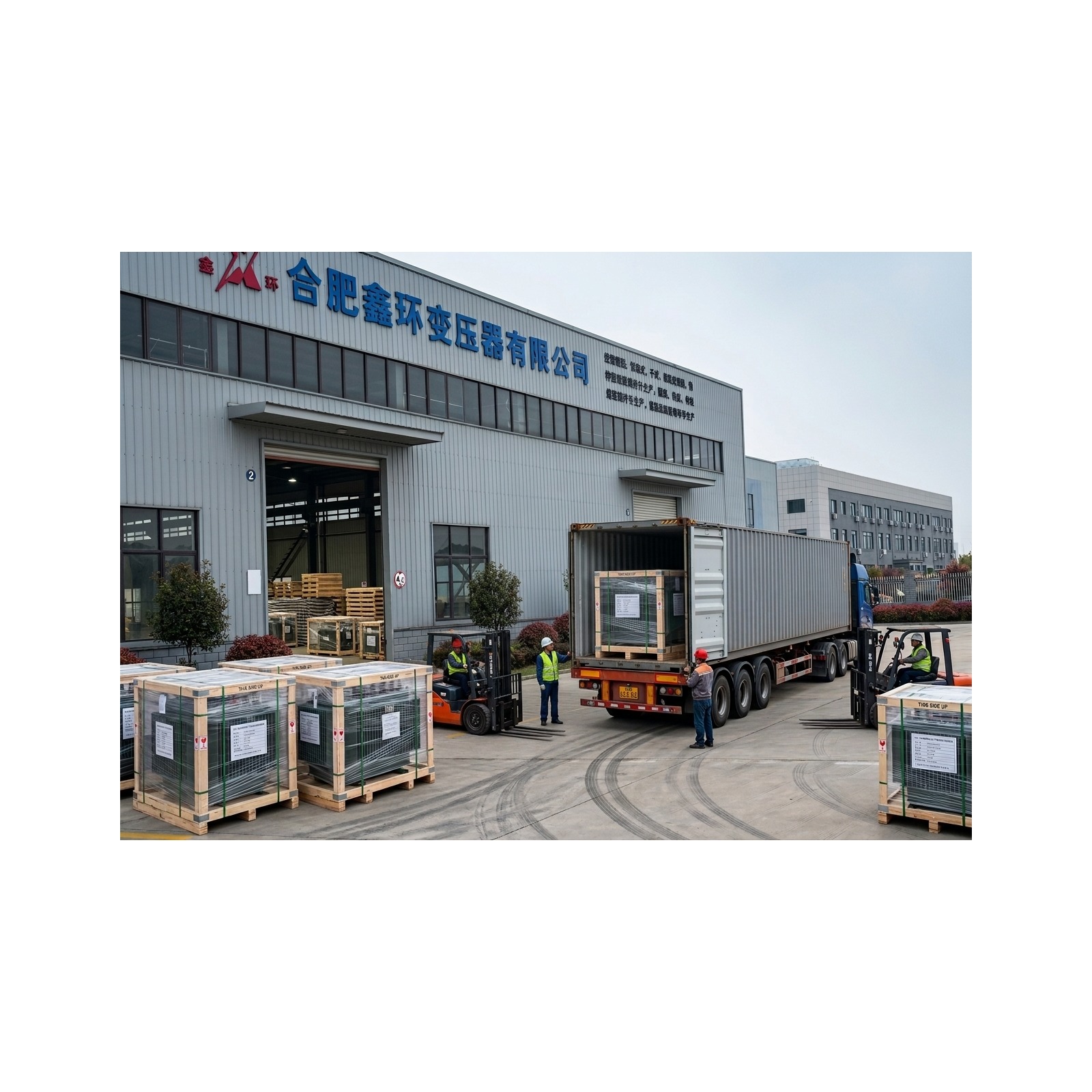
XinHuan packing and shipping
Packing and shipping

Use the transformer FAT checklist before booking witnessed inspection.

9. How to Prepare an RFQ

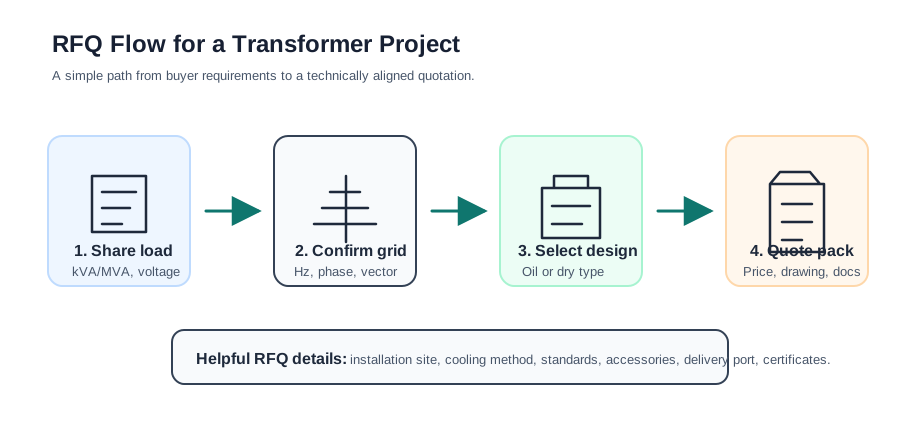
A strong RFQ lets suppliers quote the same technical scope, so price and lead time are comparable. At minimum, include capacity, HV/LV voltage, frequency, phase, standard, cooling, vector group, impedance, tap range, accessories, tests, quantity, destination, and delivery schedule.

Transformer RFQ flow — load data, site rules, test scope, commercials, quote

Ready to Move From Learning to Specification?

Send Your Transformer Requirement

Share capacity, voltage, standard, cooling type, quantity, and destination. XinHuan can help confirm missing details before quotation.